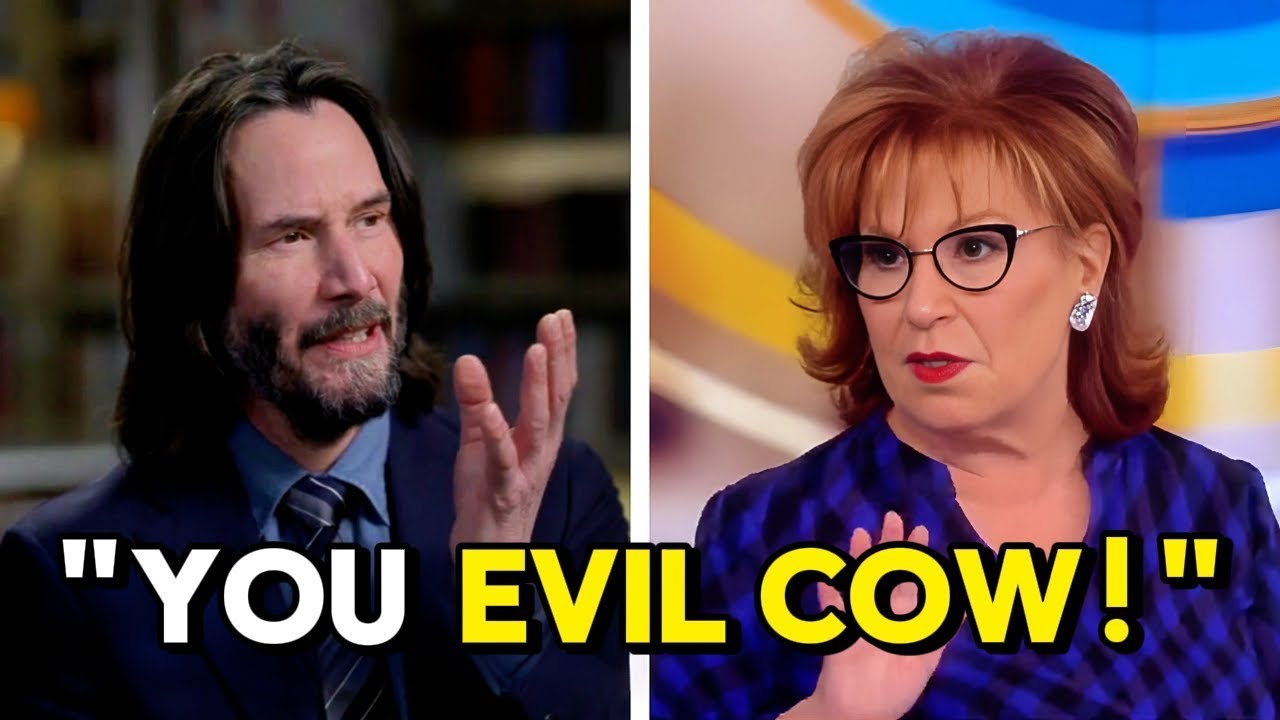
In a stunning and unexpected turn on the popular daytime show The View, actor Keanu Reeves clashed heatedly with long-time host Joy Behar over her remarks on his career, resulting in Behar quitting live on air amid the intense exchange. This explosive confrontation has rocked the world of television, exposing raw tensions in Hollywood and media ethics, and leaving viewers across the globe in shock.
The incident unfolded during what was meant to be a routine promotional interview for Reeves’ latest film. Behar, known for her sharp opinions, began by questioning Reeves’ choice of action roles, suggesting they lacked depth and promoted toxic masculinity. Reeves, typically reserved, pushed back with poise, defending his work as meaningful storytelling about justice and sacrifice.
As the exchange escalated, Behar dismissed Reeves’ explanations, accusing him of repeating shallow archetypes. Her comments grew personal, labeling his films as “mindless entertainment“ and implying manipulation of audiences. Reeves remained calm but firm, calling out her assumptions as unfounded and unprofessional, a moment that electrified the studio.
The audience fell silent as Reeves highlighted the double standards in Behar’s approach, accusing her of bullying under the guise of journalism. “You’re not asking questions; you’re making statements,“ he said, his voice steady yet commanding. This direct challenge marked a pivotal shift, turning the segment into a public reckoning.
Behar’s demeanor shifted from confident to defensive, her usual wit faltering under scrutiny. She retorted with barbs about Reeves’ privacy and Hollywood image, but he countered each one, exposing the flaws in her arguments. The tension was palpable, drawing in the other hosts who watched uneasily.
Reeves’ responses were measured, yet they carried an undercurrent of frustration built from years of media misrepresentation. He emphasized the responsibility of platforms like The View, urging for genuine dialogue over sensationalism. Viewers at home were glued to their screens, witnessing a rare unscripted 𝒹𝓇𝒶𝓂𝒶.
The climax came when Behar, red-faced and shaken, stood up and declared, “I quit.“ She tore off her microphone and stormed off, an unprecedented walk-off that left the panel in disarray. Co-host Whoopi Goldberg attempted to intervene, but the damage was done, the moment etched into live TV history.
This event has sparked widespread debate about interview ethics and the treatment of guests in the entertainment industry. Reeves, ever the professional, wrapped up by addressing the camera, reflecting on the importance of respectful discourse. His handling of the situation has been praised as a stand for integrity.
In the aftermath, social media erupted with reactions, trending hashtags amplifying the story’s reach. Fans lauded Reeves for his composure, while critics questioned Behar’s tactics, highlighting ongoing issues in talk show dynamics. The View’s producers are now scrambling to address the fallout.
Reeves’ career, built on iconic roles in films like The Matrix, has always emphasized depth and humanity, contrasting sharply with Behar’s portrayal. This clash underscores broader cultural conversations about art, influence, and accountability in an era of instant media.
As details continue to emerge, the entertainment world watches closely. Behar’s abrupt departure raises questions about her future on the show and the potential for policy changes in how guests are handled. Reeves, meanwhile, emerges as an unlikely hero in the fight against media overreach.
The video transcript of the episode, now circulating online, reveals the full extent of the verbal sparring. It serves as a stark reminder of how quickly a light-hearted segment can devolve into confrontation when egos clash and assumptions prevail.
Experts in media studies are weighing in, noting that this incident could prompt a reevaluation of interview protocols across networks. The pressure on hosts to deliver compelling content often blurs the line between critique and aggression, a lesson learned the hard way here.
Reeves’ fans have flooded platforms with support, sharing clips and analyses that showcase his eloquent defense. His ability to remain composed under fire has only bolstered his reputation as one of Hollywood’s most respected figures, far from the “pretty boy“ stereotype Behar invoked.
Conversely, Behar’s camp has remained silent, fueling speculation about her next steps. Long a fixture on The View, her exit marks a significant shakeup for the program, which has built its brand on lively debates and celebrity insights.
This breaking news story is more than just a TV mishap; it’s a catalyst for discussions on power imbalances in entertainment. As the dust settles, the industry may see lasting changes, inspired by Reeves’ principled stand.
The urgency of this event lies in its live, unedited nature, capturing raw human emotions in real time. It serves as a wake-up call for audiences and creators alike, emphasizing the need for empathy in public forums.
In closing, Keanu Reeves’ confrontation with Joy Behar on The View has redefined what it means to challenge the status quo on live television. The fallout continues to unfold, keeping the story at the forefront of global headlines. Stay tuned for updates on this evolving saga.