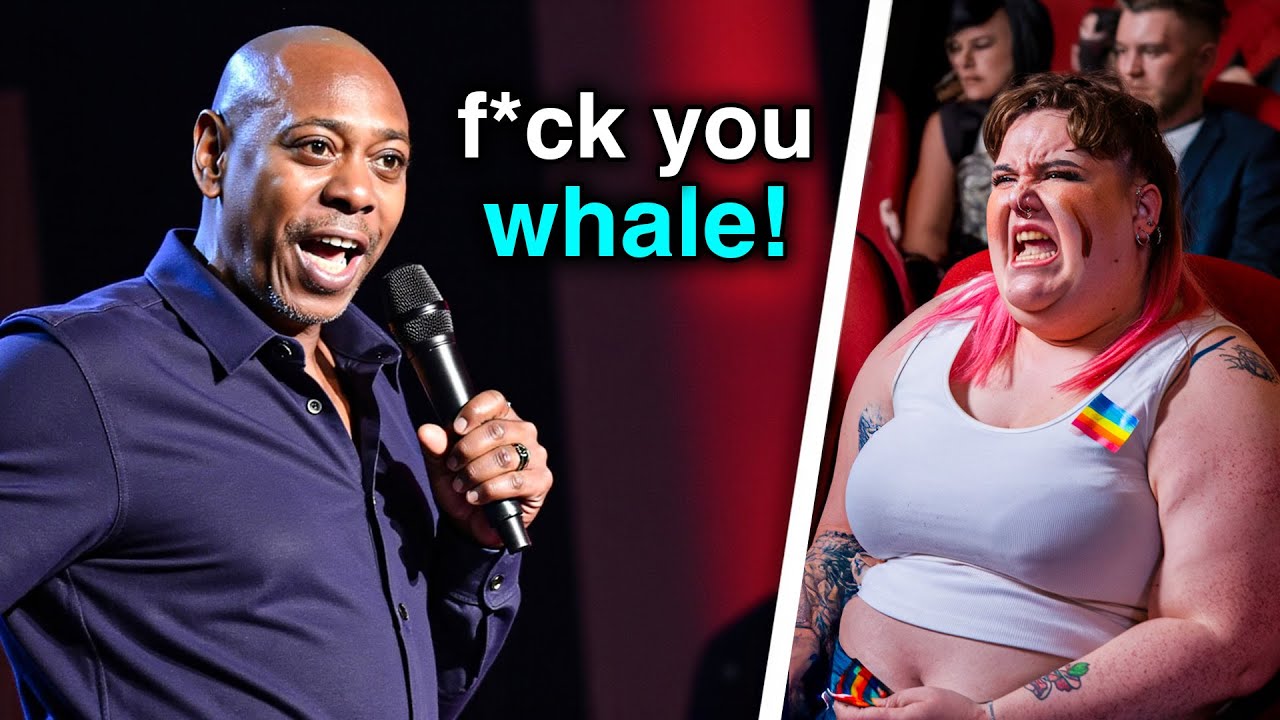
In a 𝓈𝒽𝓸𝒸𝓀𝒾𝓃𝑔 revelation, a video transcript has emerged exposing comedians delivering jokes so offensive they ignited fierce backlash, 𝓉𝒽𝓇𝑒𝒶𝓉𝑒𝓃𝒾𝓃𝑔 careers and sparking global debates on comedy’s limits. Stars like Matt Rife and Dave Chappelle face accusations of crossing lines with misogynistic and transphobic remarks, as audiences demand accountability in an era of heightened sensitivity.
This breaking story unfolds amid growing outrage, with the transcript revealing how humor turned toxic, alienating fans and critics alike. Matt Rife’s Netflix special kicked off with a domestic violence joke that left viewers reeling. Describing a hostess with a black eye, he quipped about putting her in the kitchen if she couldn’t cook, doubling down with little remorse.
The fallout was immediate, as social media erupted with calls for Rife’s cancellation. His follow-up apology linked to a mocking website, further fueling the fire and highlighting comedy’s dark underbelly. Critics argue such jokes perpetuate harm, while defenders claim it’s satire’s role to provoke.
Shifting focus, Jimmy Carr’s notorious AIDS-related quip about mosquito nets saving lives drew sharp condemnation for its insensitivity. In a green room chat, he delivered the punchline with trademark deadpan, but the backlash was swift, accusing him of trivializing global health crises.
Carr’s brand of bizarre humor often walks a fine line, yet this instance pushed boundaries too far, alienating even loyal followers. Commenters online debated whether dark comedy has a place, but the consensus leaned toward outrage, underscoring the risks comedians take.
Frankie Boyle’s disturbing tale, shared in front of a child, involved graphic references to 𝓪𝓫𝓾𝓼𝓮 and a dead monkey, leaving audiences stunned. His straight-faced delivery amplified the shock, raising questions about appropriateness in live settings.
The joke’s aftermath saw widespread disgust, with many labeling it exploitative and harmful. Boyle’s history of controversy only intensified the scrutiny, as parents and advocates called for stricter content guidelines in comedy.
Ricky Gervais entered the storm with a sketch implying child 𝓪𝓫𝓾𝓼𝓮, met by dead silence from his audience. His follow-up lines twisted the narrative into absurdity, but the damage was done, sparking accusations of poor taste.
Gervais’s defenders praised his boldness, yet critics demanded apologies, fearing such content normalizes trauma. This incident highlighted the fine line between edgy humor and outright offense, with social media amplifying the divide.
David Cross’s postcard joke about regretting grave desecration drew gasps, blending dark humor with historical sensitivities. Referencing Anne Frank, he pushed boundaries that left even supporters uneasy, igniting feminist backlash.
Cross attempted to defend it as satire, but the response was overwhelmingly negative, with calls for boycotts echoing across platforms. This episode underscored how comedy can unintentionally wound, especially with sensitive topics.
Trevor Noah’s jab at potential India-Pakistan conflict, comparing it to a rap feud, united critics from both nations in fury. His nuclear war quips were seen as reckless, given real tensions in the region.
Noah later clarified his intent, but the damage lingered, with diplomats and fans alike condemning the insensitivity. This moment illustrated comedy’s global reach and the peril of misfiring jokes.
Jimmy Fallon’s 2000 SNL sketch impersonating Chris Rock with racial stereotypes sparked early cancel culture waves. Accused of mockery, he issued a public apology, acknowledging the harm.
Fallon’s incident predated modern social media storms but set a precedent for accountability. It showed how comedy can reinforce stereotypes, prompting ongoing discussions about representation.
Sarah Silverman’s blackface comment on her show drew immediate ire, with viewers decrying it as racist. Her attempt at humor fell flat, leading to widespread calls for reflection in the industry.
Silverman’s case added to the pile of comedians facing scrutiny, emphasizing the need for cultural awareness. Despite her apologies, the stain lingered, highlighting evolving standards.
Returning to Dave Chappelle, his transgender remarks in specials like “The Closer“ provoked intense debate. Jokes about pronouns and identities were hailed by some as brave, but others labeled them transphobic.
Chappelle’s defenders argued for free speech, yet the backlash was fierce, with Netflix facing boycotts and protests. This ongoing saga exemplifies the clash between artistic freedom and social responsibility.
As these stories converge, the comedy world grapples with a pivotal question: Can offensive jokes ever be justified? The transcript’s release has amplified this urgency, with experts warning of potential industry shifts.
Comedians like these have long tested limits, but in today’s climate, the consequences are swifter and harsher. From lost endorsements to canceled shows, the fallout is reshaping entertainment.
This breaking news serves as a wake-up call, urging performers to weigh impact against intent. As debates rage on, one thing is clear: Comedy’s boundaries are shrinking, and the price of crossing them is rising.
The urgency of this moment cannot be overstated, with fans and critics demanding change. Will the industry adapt, or will more careers crumble under the weight of their own words? Only time will tell in this volatile landscape.